Head-to-head comparison

Trezor vs SafePal: which cold wallet actually fits you?

Trezor created the hardware-wallet category in 2014 and has kept its firmware fully open-source ever since. SafePal takes a different route to security: no USB, Bluetooth or WiFi at all, just QR codes, at the lowest price of any air-gapped wallet from a major brand. We compare the track record, the security model and the price.

01

Quick verdict

Trezor
Choose Trezor if…
You want the longest public track record of any wallet on this site, fully open-source firmware you — or anyone — can audit on GitHub, and a certified EAL6+ Secure Element on every current model, starting at just $59.
SafePal
Choose SafePal if…
You want the cheapest true air-gapped wallet from a major brand ($49.99), with no USB data path, Bluetooth or WiFi at all — QR codes only — and you're already active in the Binance ecosystem.
Trezor sells you a decade of public scrutiny and full transparency; SafePal sells you physical isolation at the lowest price. Neither is the safer answer in the abstract — it depends which threat model worries you more.

In short: Trezor

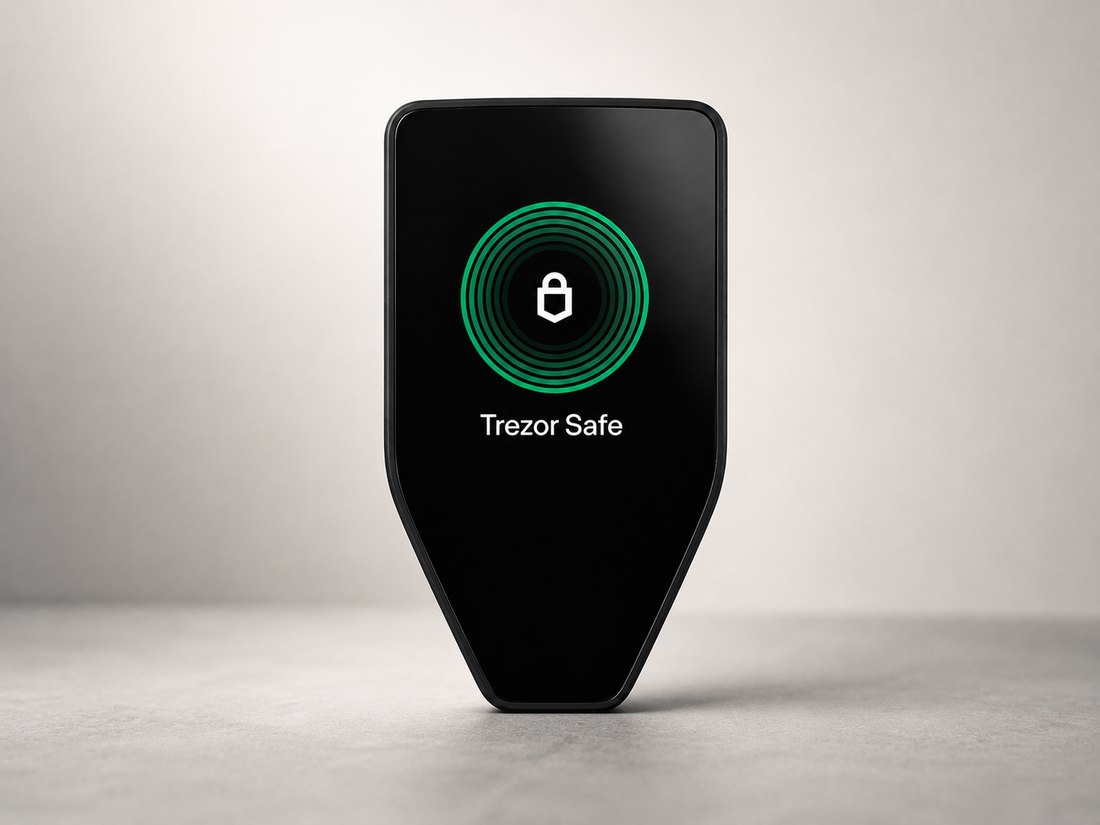
Trezor is the original hardware wallet, launched in 2014, with entirely open-source firmware and companion app that anyone can independently review. The current Safe 3, Safe 5 and Safe 7 models all ship with a certified EAL6+ Secure Element — hardware protection its earliest models lacked — starting at $59 for the Safe 3. It supports Shamir/Multi-share Backup to split a recovery seed across multiple physical shares. An August 2026 breach at a fulfilment partner is a recent negative worth knowing about, though Trezor says no wallets or devices were compromised.

In short: SafePal

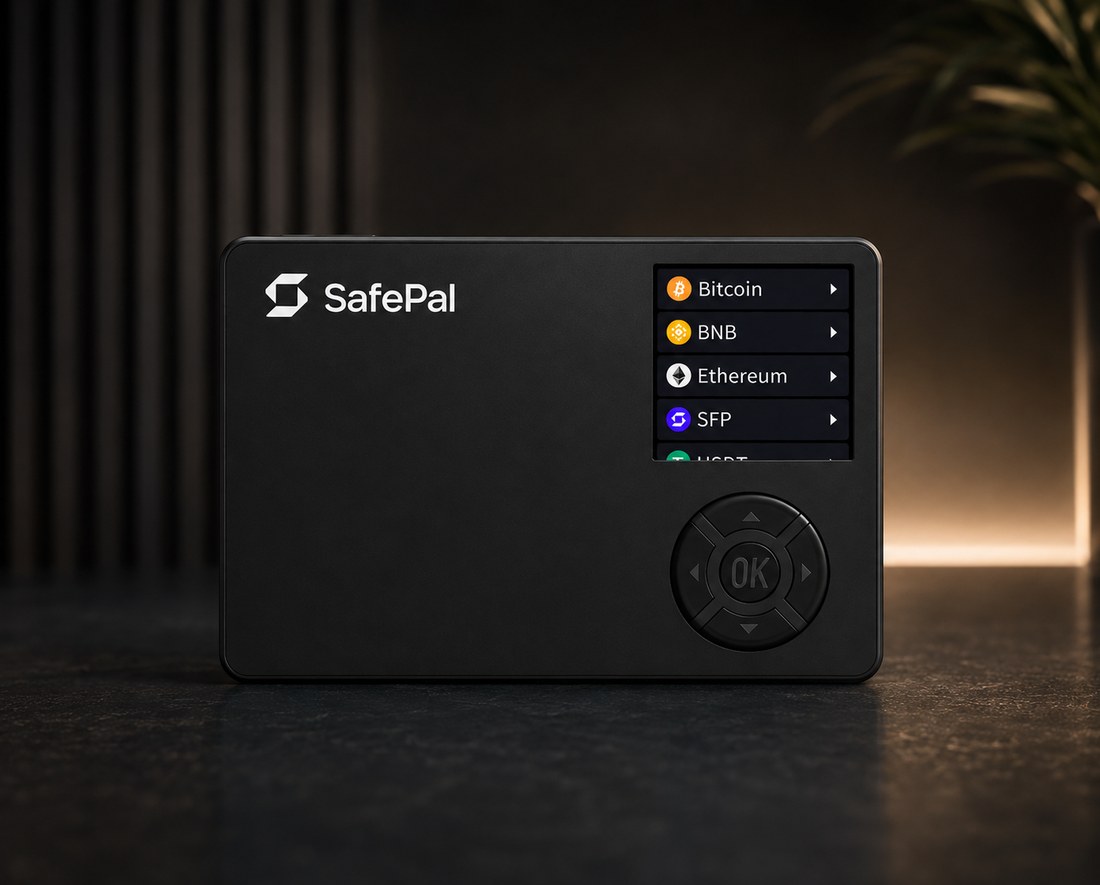
SafePal makes true air-gapped cold storage accessible at a genuinely low price: the S1 and S1 Pro have no USB data path, Bluetooth or WiFi at all, communicating only via QR codes, and use an EAL6+ certified secure element starting at $49.99. It claims support for 200+ blockchains through a feature-rich app with deep Binance integration, and offers an optional steel Cypher Seed Board for a fire- and water-resistant physical backup. Several reviewers describe the build quality as feeling cheap for the price, and a 2021 third-party audit doesn't appear to have been followed by a more recent independent review.

02

Side-by-side comparison

TrezorSafePal
TypeButton / touchscreen (Safe 3/5/7)Air-gapped (S1/S1 Pro)
ScreenMono 0.96" to 2.5" touch1.3" LCD
ConnectivityUSB-C (+ Bluetooth, Qi2 on Safe 7)QR only (S1/S1 Pro)
ChipEAL6+EAL6+
Open sourceYesPartial (X1)
From$59$49.99

Figures compiled from official specifications and manufacturer pages (2026) — always verify current specs and pricing on each manufacturer's website before buying.

03

FAQ

Is Trezor or SafePal more secure?

Both use an EAL6+ certified secure element on their current flagship models, so on paper the chip-level security is comparable. The real difference is the threat model: Trezor relies on open-source transparency and over a decade of adversarial public research, while SafePal relies on physical isolation — no USB, Bluetooth or WiFi at all — to remove entire categories of remote attack.

Which is cheaper?

SafePal's S1 starts at $49.99, slightly undercutting Trezor's entry-level Safe 3 at $59. Both are among the most affordable certified-secure-element wallets on the market.

Is Trezor's open-source firmware actually more secure than SafePal's?

Open-source firmware means anyone — including independent security researchers — can inspect Trezor's code for flaws, which is a real transparency advantage. SafePal's firmware is not fully open-source, so you're trusting the manufacturer and its own audits (the last public one from 2021) rather than the wider community.

What happened with Trezor's August 2026 breach?

A fulfilment partner Trezor uses was breached in August 2026. Trezor has stated that no wallets or devices themselves were compromised as a result, but it's a recent incident worth factoring into your decision, especially if you value an unblemished operational history.

Does SafePal's small screen make it harder to use safely?

The S1's 1.3-inch screen is noticeably smaller than many competitors', which several reviewers say makes it harder to carefully verify transaction details compared to wallets with larger touchscreens. It's still a real screen for confirming addresses and amounts — just a more cramped one.

Please read

Important risk information

  • Always research any hardware wallet before using it — buy directly from the manufacturer or an authorized reseller, never a pre-activated device from a marketplace listing.
  • Firmware, audits, pricing and country availability change over time — verify current specifications directly on each manufacturer's website before relying on this comparison.
  • Not financial advice: this page is independent editorial content for information only and is not affiliated with Trezor or SafePal.

Ready to get one?

Both links below are our own referral links — buying through them costs you nothing extra and helps support this independent comparison.

Referral code:ntexmgu

If you buy through our links we may receive a commission — at no extra cost to you. Our assessments, including all criticism, are editorially independent of commissions; referral disclosure: this site is partly financed through referral/affiliate links, where available.